News
Building Disaster Resilience: Guidance from the Front Line
/ Blog Post
How Individuals and Communities Can Prepare for Disasters
After a disaster like a wildfire or severe storm, communities must navigate a complex range of legal challenges from FEMA applications to wrongful evictions. Preparedness is crucial to building resilience and ensuring communities can withstand and recover from these challenges. Equal Justice Works’ Disaster Resilience Program places Fellows with host organizations in disaster-prone areas across the country to ensure free legal services are equitably accessible not only during and after disasters, but before they strike. Our Fellows and their host organizations see firsthand how legal preparation – or lack thereof – shapes a community’s ability to recover.
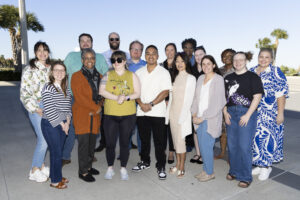
This National Preparedness Month, we asked those host organizations what steps individuals and communities can take to better prepare for disasters. The below guidance comes from: Catholic Charities of Galveston-Houston, Florida Rural Legal Services, Inc., Houston Volunteer Lawyers (HVL), LatinoJustice PRDLF, Legal Aid Society of Hawaii, and United Policyholders.
Disaster preparedness can seem overwhelming, but there are many small steps that can be taken in order to prepare a client and the community as a whole.
Catholic Charities of Galveston-Houston /
Equal Justice Works Host Organization
How Individuals Can Prepare for Disasters
Stay informed. Follow local alerts about both weather-related and humanitarian disasters in your area.
Prepare safety plans. Plan for urgent evacuation scenarios and ensure all family members know their roles.
Review your insurance coverage thoroughly. Call your insurer to confirm adequate coverage and explore additional options like flood and earthquake insurance. Don’t overlook renters insurance – it provides essential protection for evacuation and property loss.
Secure your important documents. Store identification, medical records, and legal documents (divorce decrees, parenting plans, deeds, titles) somewhere safe from disaster but easily accessible for evacuation. Use a waterproof and fireproof box and/or or upload digital copies to cloud storage.
Resolve legal matters in advance. Clear title and custody issues now to prevent delays and complications during recovery.
Consider naturalization if eligible. Some disaster relief programs are only available to U.S. citizens and lawful permanent residents. Store a photo or electronic copy of important documents like naturalization certificates in secure locations to expedite replacement processes.
Create a home inventory. Take a video of belongings inside and outside your home to support future insurance claims and recovery efforts.
Write down five important phone numbers. You can’t always rely on phone chargers or cell reception during emergencies.
Harden your home. Take steps against regional threats, such as wildfires if you’re a homeowner in fire-prone areas.
Think locally when planning. Beyond FEMA, know your county’s Emergency Management department, local American Red Cross branch, and community shelters – including whether they accommodate medical needs or pets. Disasters are local, so disaster preparedness should be local too.
How Communities Can Prepare
Foster communication and collaboration. People cannot prepare for disasters they don’t know about, and working together is often the most effective approach to community preparedness. Strong organization, proactive planning, and community-wide awareness are key.
Build trusted networks. Partnerships with local organizations, including those serving vulnerable and immigrant populations, are essential to ensuring access to legal rights, citizenship resources, and disaster assistance.
Plan beyond the immediate crisis. While national attention and resources often surge immediately following a disaster, sustainable recovery depends on trusted local organizations and informed long-term decisions. Be wary of outside contractors or temporary resources that may not be able to fulfill their promises.
[This guidance] not only reduces delays in recovery but also helps individuals and families regain stability more quickly after a disaster
Legal Aid Society of Hawaii /
Equal Justice Works Host Organization
Preparedness is both a personal and legal responsibility, and community resilience depends on collaboration. As our host organizations remind us, resilience is built step by step – by securing documents, resolving legal issues in advance, strengthening networks, and ensuring every community member knows where to turn when disaster strikes.
Building on insights shared at our 2025 Disaster Resilience Symposium in Gulfport, Florida, we are reminded that preparedness is never an isolated step. It is an ongoing commitment to equity, access, and collaboration that helps communities withstand crisis and recover more quickly.
To learn more about how the Disaster Resilience Program strengthens communities before, during, and after disasters, visit here.